Zeppelin L 30
Overview
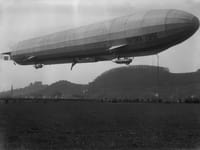
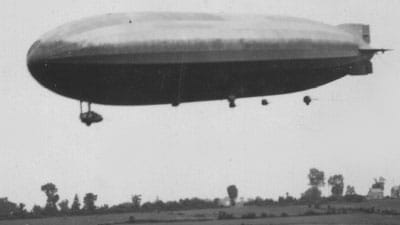
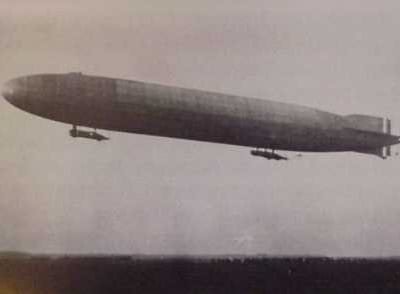
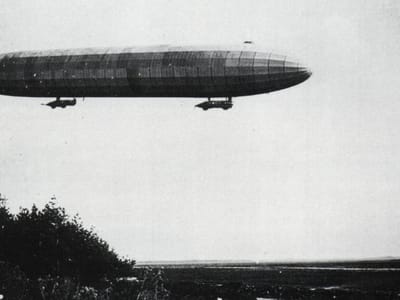
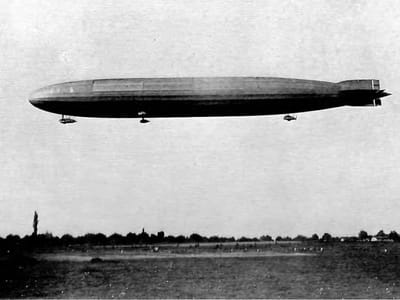
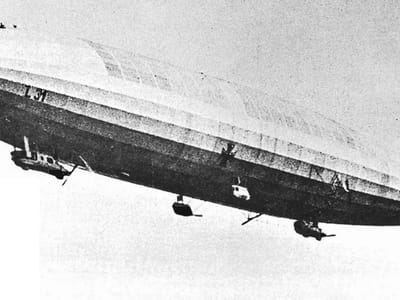
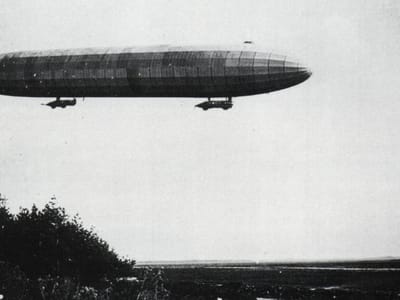
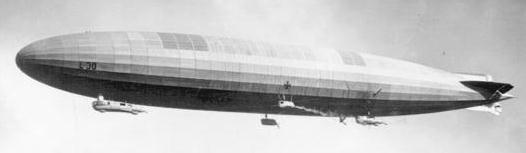
Zeppelin "L 30" (factory number "LZ 62") was the first R-class "Super Zeppelin" of the German Empire. It was the most successful airship of the First World War with 31 reconnaissance flights and 10 bombing runs carrying a total of 23,305kg of bombs, with the first ones targeting England, and the four final raids targeting Livonia and Ösel (Saaremaa). At the time of its construction, It was the world's largest Zeppelin, and with its 6 engines, "L 30" could reach speeds higher than 100km/h, making it the fastest Zeppelin in the world as well. It was constructed at Luftschiffbau Zeppelin in Friedrichshafen, the first with gondolas on the sides. It remained in the service of the Imperial German Navy from 1916 to its decommissioning in 1917. "L 30" was decommissioned in 1917, and survived World War I. It was handed over to Belgium as part of the war reparations laid on Germany. Its gondolas are on display today at the Royal Military Historical Museum in Brussels, the only remaining gondolas of a war Zeppelin in the world. A famous photo of Count Ferdinand von Zeppelin aboard the "L 30" with Hauptmann Macher exists, allegedly taken sometime in April 1916 in Friedrichshafen, before its completion.