Martin B-57 Canberra
Overview
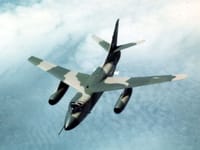
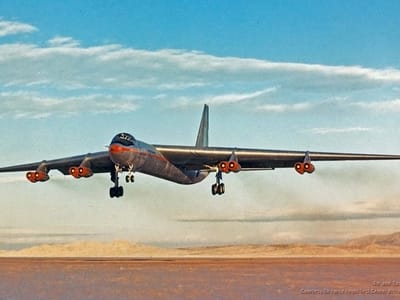
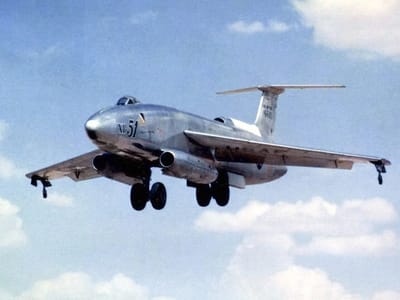
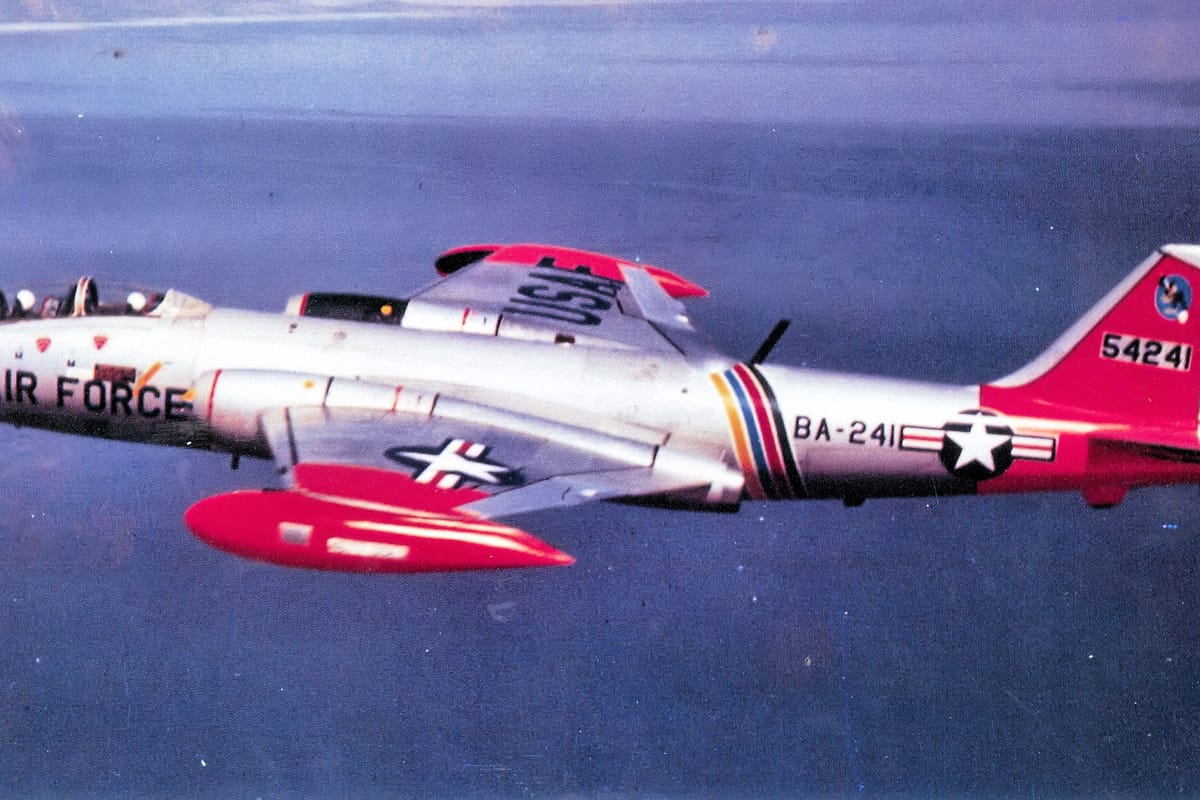
The Martin B-57 Canberra is an American-built, twin-engined tactical bomber and reconnaissance aircraft that entered service with the United States Air Force (USAF) in 1953. The B-57 is a license-built version of the British English Electric Canberra, manufactured by the Glenn L. Martin Company. Initial Martin-built models were virtually identical to their British-built twinjet counterparts; Martin later modified the design to incorporate larger quantities of US-sourced components and produced the aircraft in several variants. The B-57 Canberra holds the distinction of being the first jet bomber in U.S. service to drop bombs during combat. The Canberra was used extensively during the Vietnam War in a bombing capacity; specialized versions of the type were also produced and served as high-altitude aerial reconnaissance platforms (the Martin RB-57D Canberra), and as electronic warfare aircraft. The B-57 Canberra was also sold to export customers abroad; further combat use was seen by the Pakistani Air Force during the Indo-Pakistani War of 1965 and the Indo-Pakistani War of 1971. In 1983, the USAF opted to retire the type; the B-57 Canberra's retirement marked the ending of the era of the tactical bomber. The three remaining flightworthy WB-57Fs are technically assigned to the NASA Johnson Space Center, next to Ellington Field in Houston, as high-altitude scientific research aircraft but have also been used for testing and electronic communications in the United States and Afghanistan.