Grigorovich IP-1
Overview
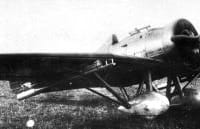
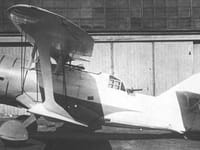
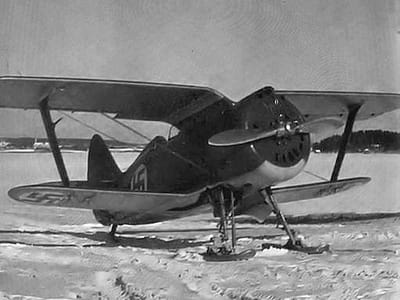
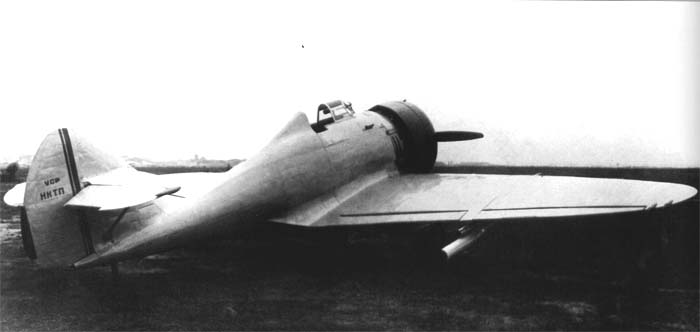
The Grigorovich IP-1 (for Истребитель Пушечный - "Cannon fighter") was a fighter aircraft produced in the Soviet Union in the 1930s by the Grigorovich Design Bureau. The IP-1 started development as the GD-52 in 1934. An all-metal aircraft, it featured an open cockpit, retractable wing wheels, an advanced, nearly-elliptical cantilever wing, and a variable-pitch, metal propeller powered by a 640 hp (477 kW) Wright Cyclone series engine. Retractable skis could be fitted for winter use, a first for any Soviet aircraft. The DG-52 was transferred to the Air Force Research Institute on 12 January, 1935 for testing, and was flown that same day by P.Ya. Fedrovi. Like the preceding Grigorovich I-Z, the IP-1 prototype was built around the cannon-fighter concept, with two Leonid Kurchevsky-designed APK-4 76.2mm cannons mounted under the wings, each capable of 5 shots before ammunition was depleted. It was also armed with two 7.62mm machine guns. Production aircraft used the licensed copy of the Wright Cyclone, the Shvetsov M-25. After 90 aircraft had been produced and 30 delivered, it became apparent that there were issues with lateral stability and especially spin. On 3 June, 1936 Lieutenant Bolshakov of the 92nd Air Brigade fell into a flat tailspin at 1,700m, and had to bail out with a parachute. This led to further refinements to the structure. On 3 May 1936 it was decided to replace the APK-4 cannons with two 20mm ShVAK cannons. Six 7.62mm ShKAS machine guns were installed, three in each wing. 200 units were produced from 1936 to 1937, but the IP-1 was soon overshadowed by the Polikarpov I-16. On 1 February, 1940 six IP-1s were in service at the ShMAS Air Force in the Moscow Military District, and eight at the Air Force Control Center, though the latter had been dismantled for use as spare parts. In October 1940 the 21 remaining aircraft were written off as unusable.