Gotha WD.7
Overview
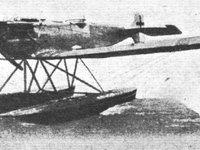
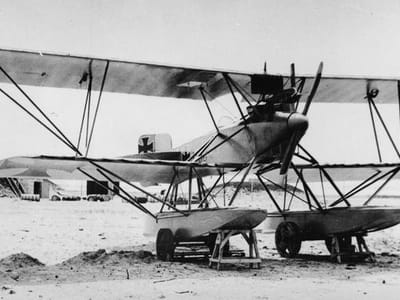
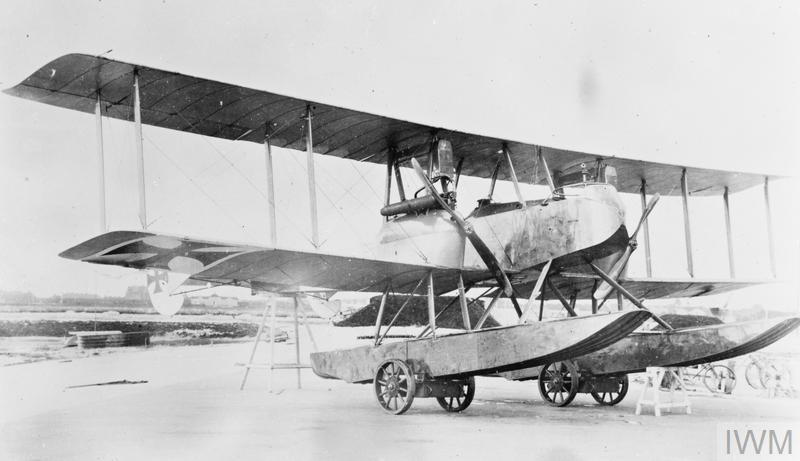
The Gotha WD.7 (Wasser Doppeldecker; 'Water Biplane') was a twin-engine maritime patrol floatplane developed during World War I by Gothaer Waggonfabrik (Gotha) for the Imperial German Navy's (Kaiserliche Marine) Naval Air Service (Marine-Fliegerabteilung). The prototype was captured by the French on its first combat mission in April 1916 after it was forced to make an emergency landing after an engine failed. Despite this seven additional WD.7s were ordered and were used for training torpedo bomber pilots and for trials. Only a single aircraft is known to have survived the war.