Gotha WD.11
Overview
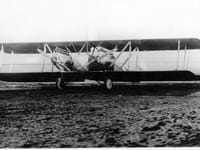
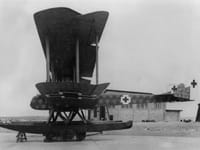
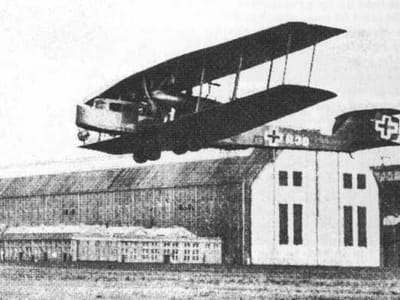
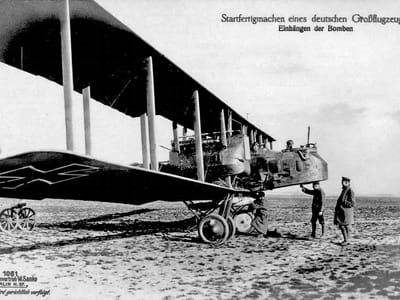
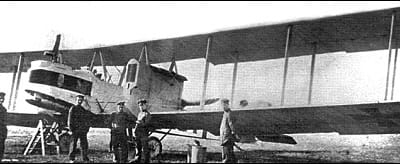
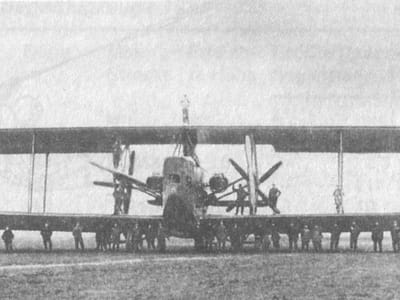
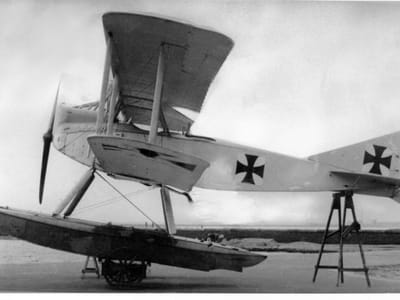
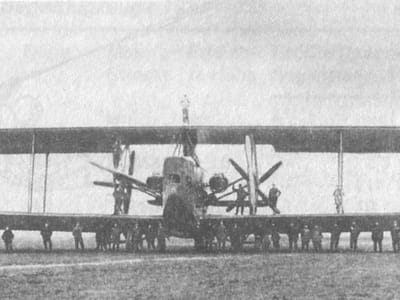
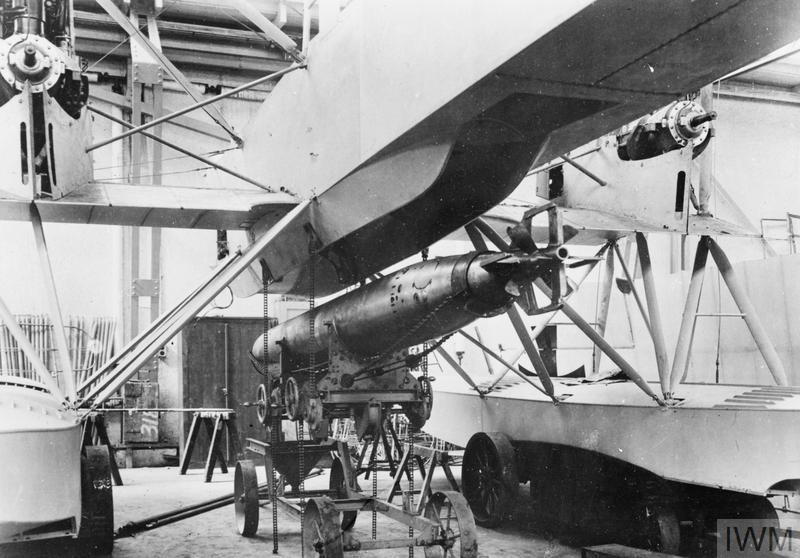
The Gotha WD.11 (Wasser Doppeldecker - "Water Biplane") was a three-seat floatplane torpedo-bomber developed during World War I by Gothaer Waggonfabrik (Gotha) for the Imperial German Navy's (Kaiserliche Marine) Naval Air Service (Marine-Fliegerabteilung). The company's earlier Gotha WD.7 had been moderately successful as a training aircraft for torpedo tactics and it designed a larger and more powerful aircraft along the same general lines. The prototype was completed in 1916 and the aircraft entered service the following year. 17 examples were built and enjoyed limited success, sinking two British freighters in the North Sea. One squadron participated in Operation Albion in 1917 with limited effectiveness. Torpedo shortages and durability issues forced the WD.11s removal from active service in 1918. Fewer than half survived to be inventoried by the Allies after the war.