Blohm & Voss BV 222 Wiking
Overview
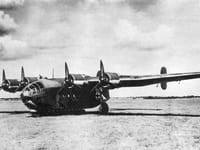
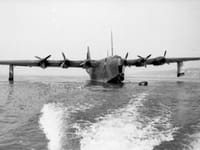
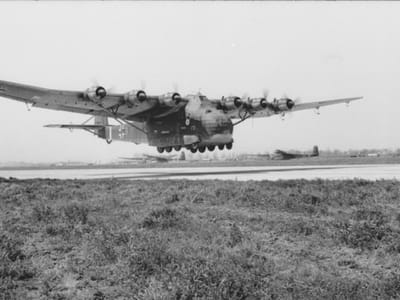
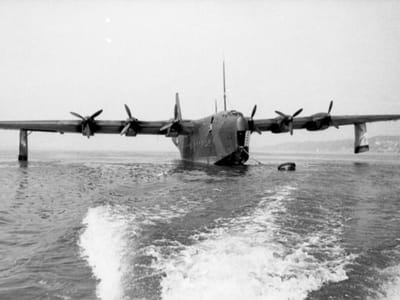
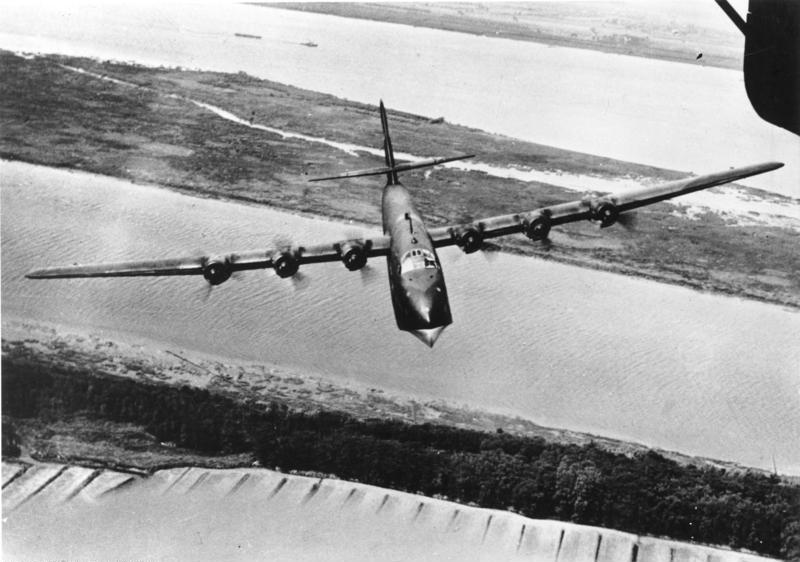
The Blohm & Voss BV 222 Wiking (pronounced "Veeking") was a large six-engined German monoplane flying boat designed and built by the German aircraft manufacturer Blohm & Voss. It was the largest Axis flying boat to enter production and operation during the Second World War. The BV 222 was developed during the late 1930s as a commercial transport for the transatlantic and other long distance routes of the German flag carrier Luft Hansa. By the time it first flew on 7 September 1940, Nazi Germany had already started the Second World War, ending most long distance civil services, and development focussed on military roles. In July 1941, V1 undertook its first cargo transport mission with the Luftwaffe and further logistics flights followed, and by the end of that year, BV 222s were being armed. Deliveries of production aircraft, designated BV 222C, took until 1943 to begin. The BV 222 was operated by the Luftwaffe, initially for transport, across numerous theatres, including the Norway, France, North Africa and even the Arctic. At one point, Nazi officials were considering using the BV 222 for a long distance air route between Germany and Japan, flying from Kirkenes in Norway to Tokyo via Sakhalin Island, a distance of 6,400 km (4,000 mi). After the Allied Invasion of Normandy in June 1944, surviving BV 222s were transferred to KG 200. Several BV 222s were captured and tested by both the United States and Britain. None have been preserved.