AGO C.IV
Overview
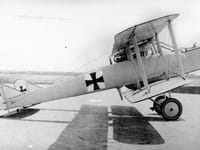
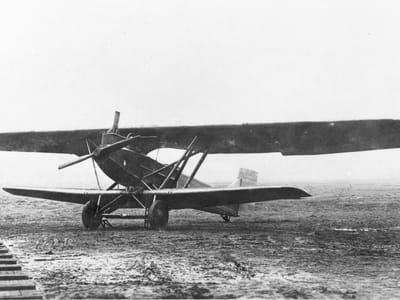
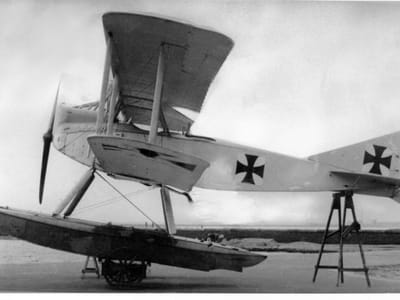
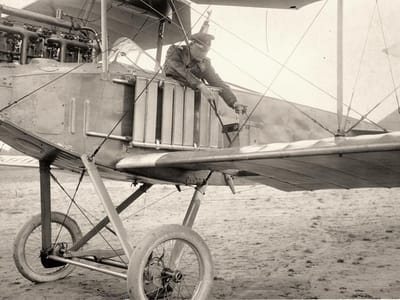
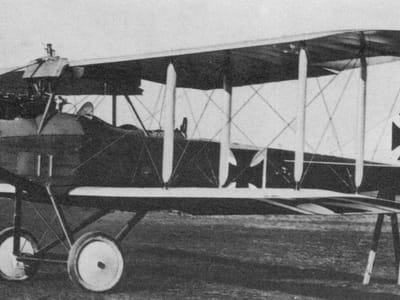
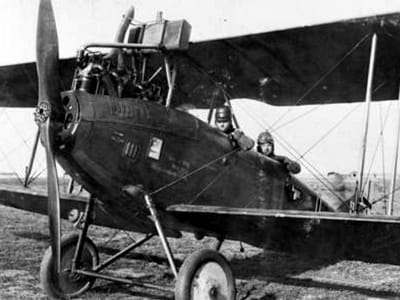
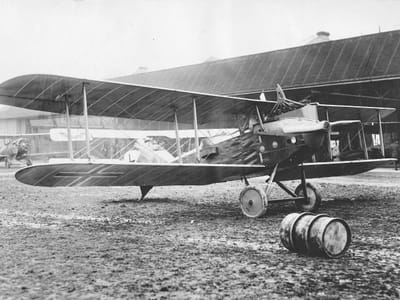
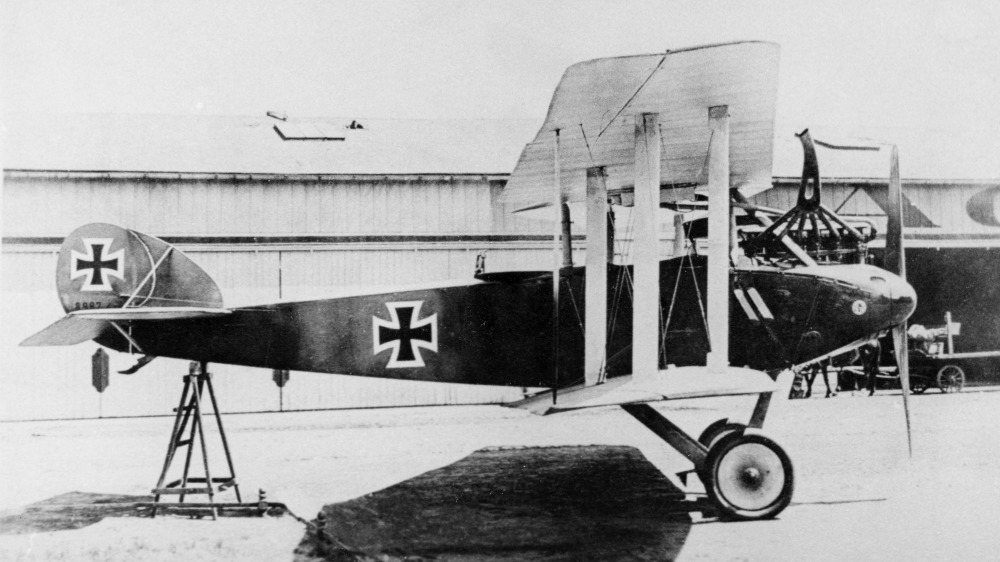
The AGO C.IV was a German biplane reconnaissance aircraft designed and produced by the German aircraft manufacturer AGO Flugzeugwerke. It was active with the Luftstreitkräfte during the latter half of the First World War. The C.IV was developed as a dedicated aerial reconnaissance platform and followed a generally conventional design for the era. However, it was equipped with sharply tapered wings that had a complex structure; additionally, it was initially designed without a vertical fin, although one was promptly added when directional stability proved to be insufficient. The fuselage, while otherwise of an orthodox design, featured composite construction. Some of these design choices are thought to have made the C.IV relatively complex to manufacture, which likely hindered the type's production rate considerably. Within the opening weeks of 1917, the C.IV was operational with the Luftstreitkräfte. Although commonly recognised as being a relatively fast and well-armed aircraft for the era, the C.IV proved to be somewhat unstable during flight, and thus was typically disliked by pilots. Its limited availability also made its impact on the war negligible at best. Despite the efforts of three separate manufacturers to produce the type, less than 100 C.IVs were completed by the enactment of the Armistice of 11 November 1918 that ended the conflict. In addition to the Luftstreitkräfte, it was also operated by the Estonian Air Force during the early Interwar period.